How do test hardness?
The measurement of hardness is primarily determined by the depth of the indentation, the projected area of the indentation, or the surface area of the indentation.
Static testing methods include Brinell, Rockwell, Vickers, Knoop, Webster, Barcol, and others.
Among them, the Rockwell, Vickers, and Brinell testing methods are the most widely utilized; they are the primary testing methods for metal hardness inspection. In the industry, the Rockwell hardness test is the most widely used for product inspection.
Hardness testing is roughly divided by testing methods into:
- Indentation hardness test
- Scratch hardness test
- Rebound hardness test and other hardness testing methods
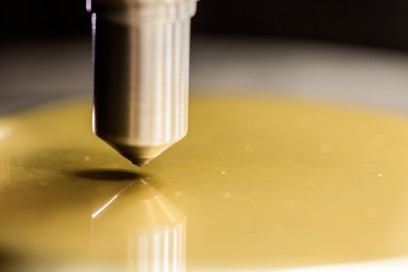

Indentation hardness test
A special indenter is pressed into the material with a certain load for a period of time, and the hardness is determined by measuring the formed indentation. Materials with higher hardness produce smaller indentations.
Commonly used indentation hardness tests mainly include: Rockwell hardness test, Vickers hardness test, Brinell hardness test, etc.
Rebound hardness test
An object with known physical properties is used to strike the object to be measured at a certain speed; a higher rebound speed indicates higher hardness.
Commonly used rebound hardness tests mainly include: Shore hardness test, Leeb hardness test, etc.
Scratch hardness test
The material to be tested is scratched against one or more materials of known hardness. Leaving a scratch on the latter indicates that the hardness is ≥ the latter; otherwise, it is ≤ the latter's hardness. This type of method can roughly estimate hardness through comparison but is not precise enough.
Commonly used scratch hardness tests are the pencil hardness test, Mohs hardness test (also known as Morse hardness test), file hardness test, etc.