2012 Annual Meeting of Taiwan Society of Heat Treatment of Metals-Instrument and Equipment Product Exhibition
2012 Annual Meeting of Taiwan Society of Heat Treatment of Metals
"Instrument and equipment product exhibition"
Purpose: In order to promote the exchange of information and technology between the members of the society and manufacturers, an instrument and equipment product exhibition will be held at the same time at the annual meeting venue. Welcome your company's manufacturers to participate in the event.
Description:
1. Display time: December 8, 2012 (Saturday) 8:30~16:00
2. Exhibition venue: Xuesi Building, Fengjia University
Taiwan Nakazawa contact information:
Phone: 02-82272299
Address: 8 of 7th Floor, No.258 Liancheng Road, Zhonghe District, New Taipei City
Related Press Release
-
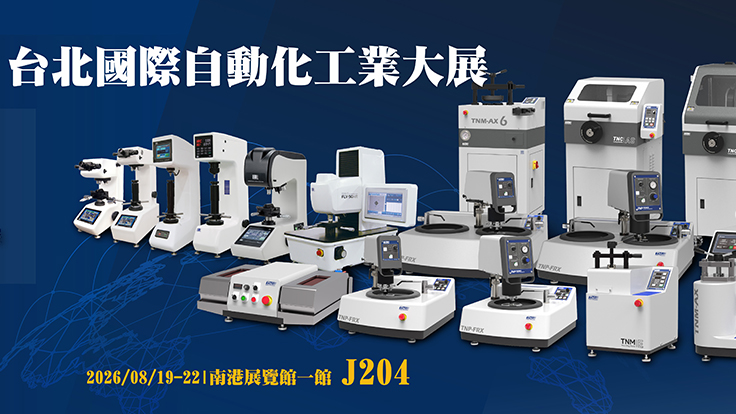 2026 08-19Exhibition
Automation Taipei 2026
Date: 19 – 22 AUG. 2026
Venue: Taipei Nangang Exhibition Center, Hall 1
Booth NO.: J204 -
 2026 07-17Knowledge
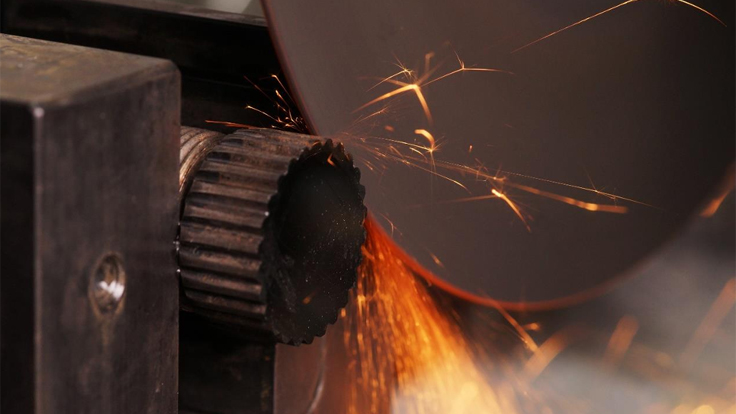
How to Reduce Heat Damage in Metallographic Cutting?
Sectioning is the first critical step in metallographic specimen preparation. The purpose of sectioning is not merely to reduce a material to an observable size, but to obtain a representative cross-section without altering its original microstructure. When excessive heat is generated during sectioning, the specimen surface may undergo tempering, rehardening, phase transformation, oxidation discoloration, plastic deformation, microcracking, or the development of residual stresses. These thermal effects and mechanical damage may persist through subsequent grinding and polishing processes, ultimately leading to misinterpretation of the material's original microstructure during microscopic examination.
-
 2026 07-17Knowledge
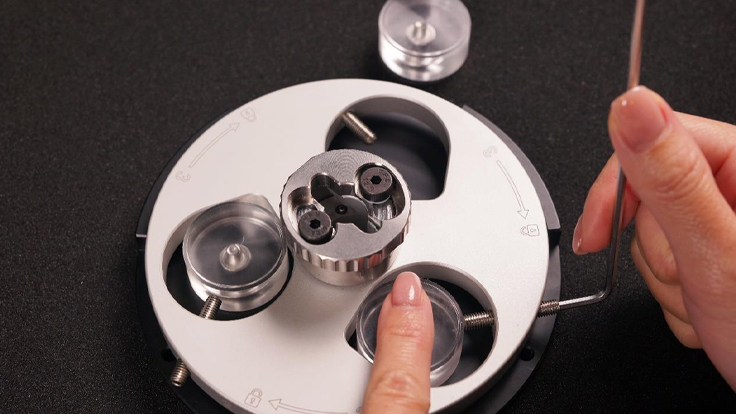
Understanding Metallographic Specimen Rework and Its Causes
The purpose of metallographic analysis is to reveal the internal microstructure of a material in a reliable and reproducible manner for observation and interpretation. When the specimen surface contains scratches, smearing, deformation layers, edge rounding, contamination, under-etching, or over-etching, the microscopic image may no longer represent the material itself but instead reflect artifacts introduced during specimen preparation. Under such circumstances, specimen rework is often required.
-
 2026 05-13Knowledge
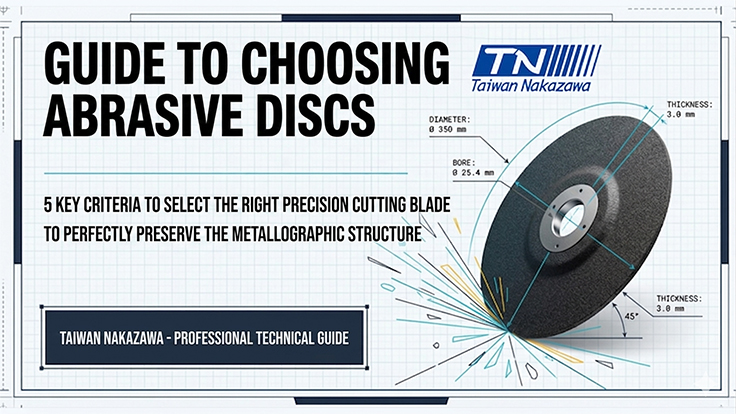
How to Choose the Right Grinding Wheel?
Cutting: The Key to Successful Metallographic Analysis...
-
 2025 10-21Exhibition
2025 TiTE x IHT
Date: October 21–23, 2025
Venue: Taichung International Convention and Exhibition Center (Shuinan) -
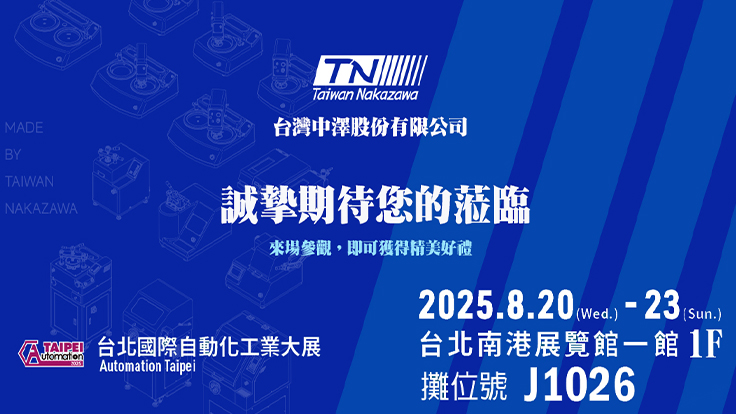 2025 08-20Exhibition
Automation Taipei 2025
Date: 20 – 23 AUG. 2025
Venue: Taipei Nangang Exhibition Center, Hall 1
Booth NO.: J1026