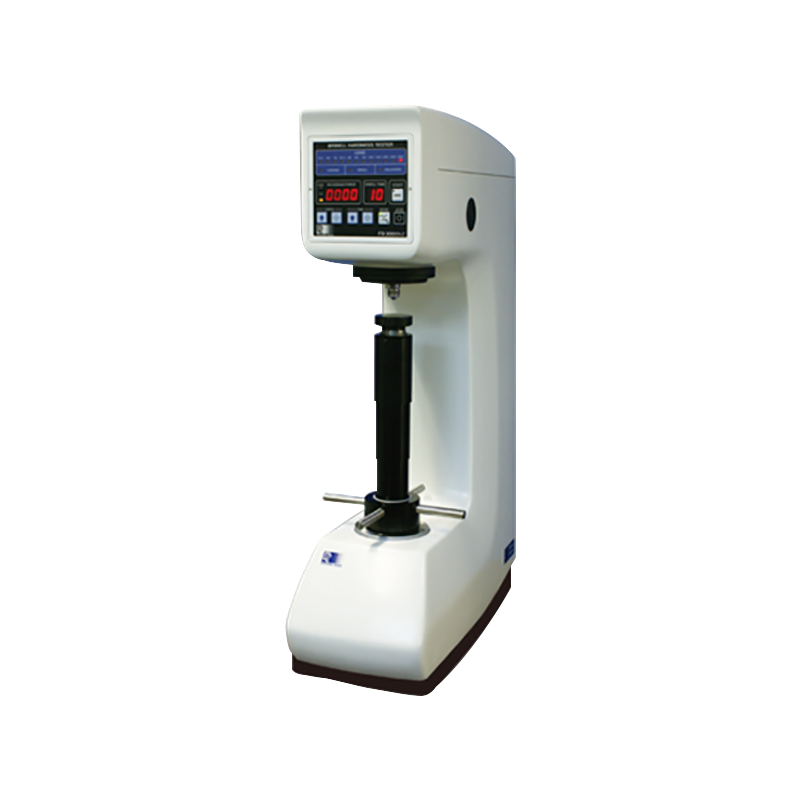
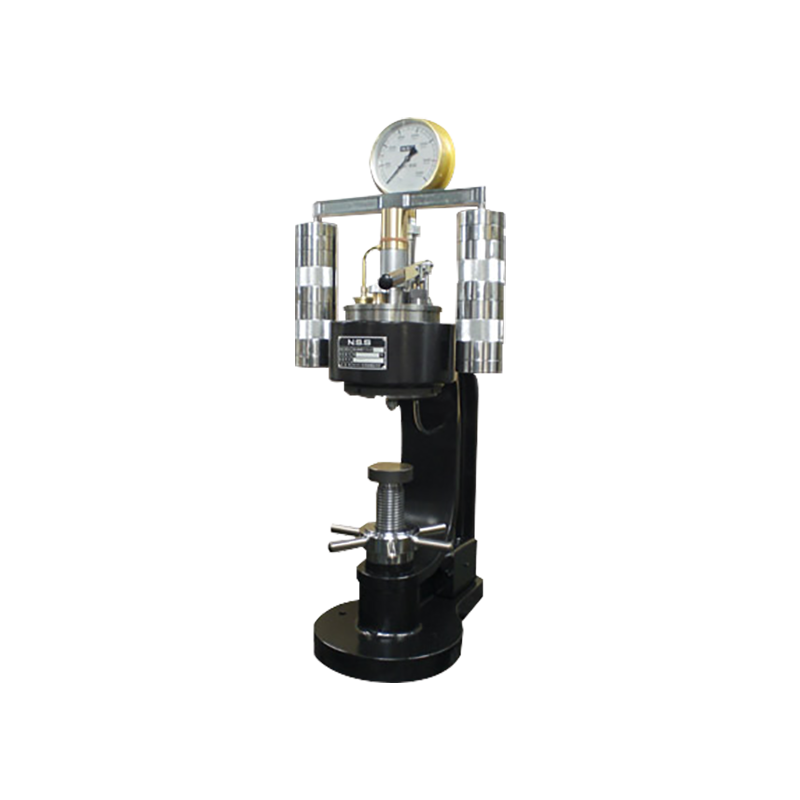
Portable Hardness Testing Machine for Metals
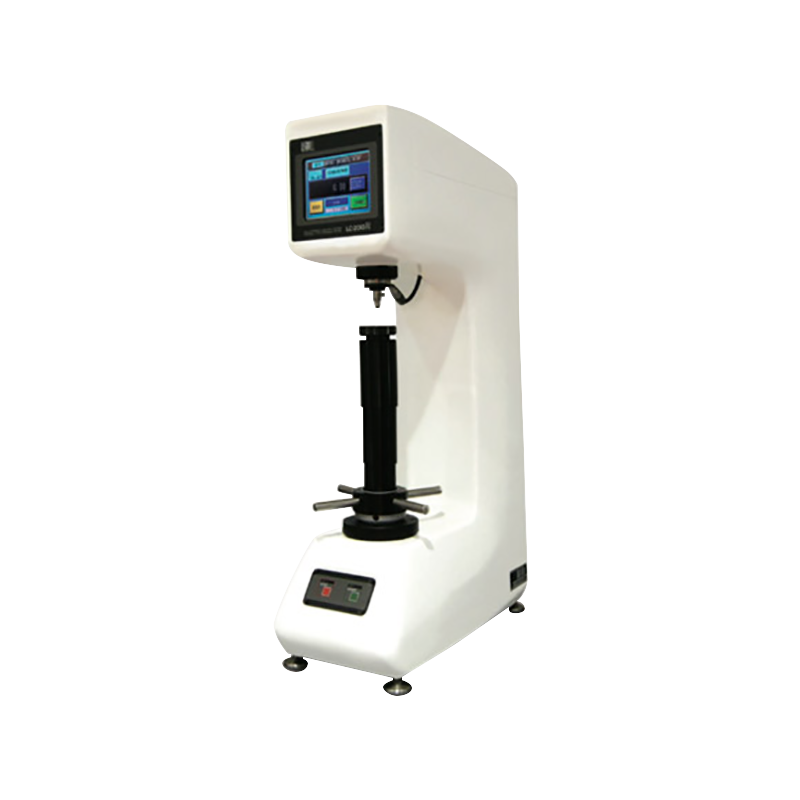
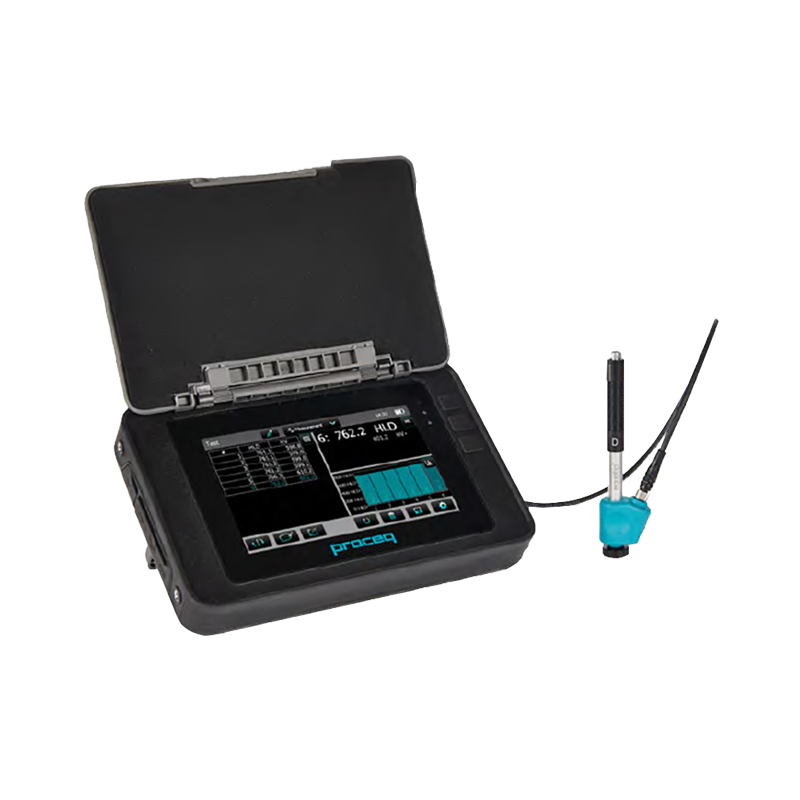
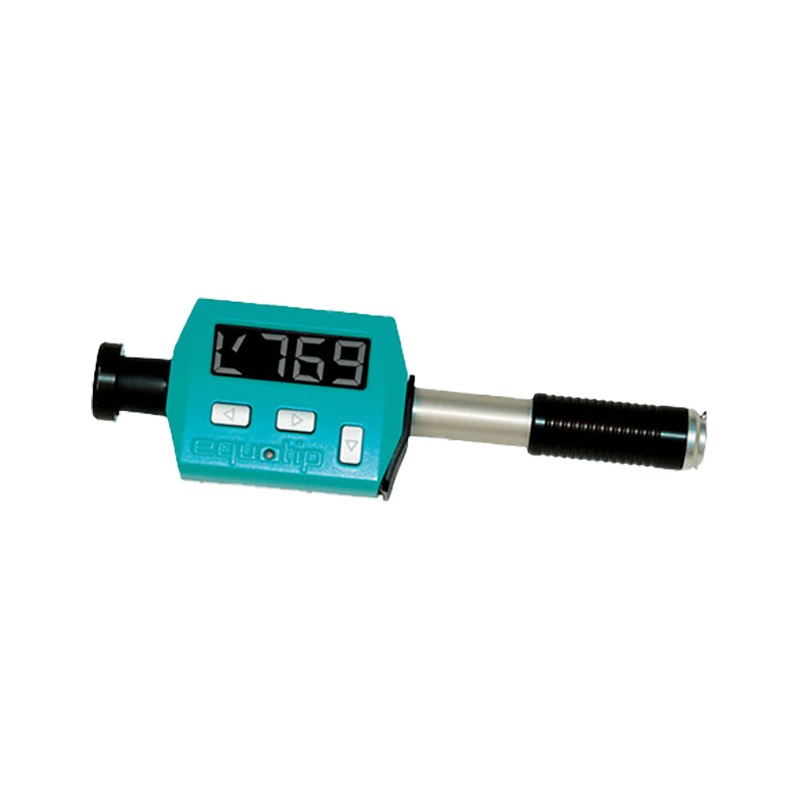
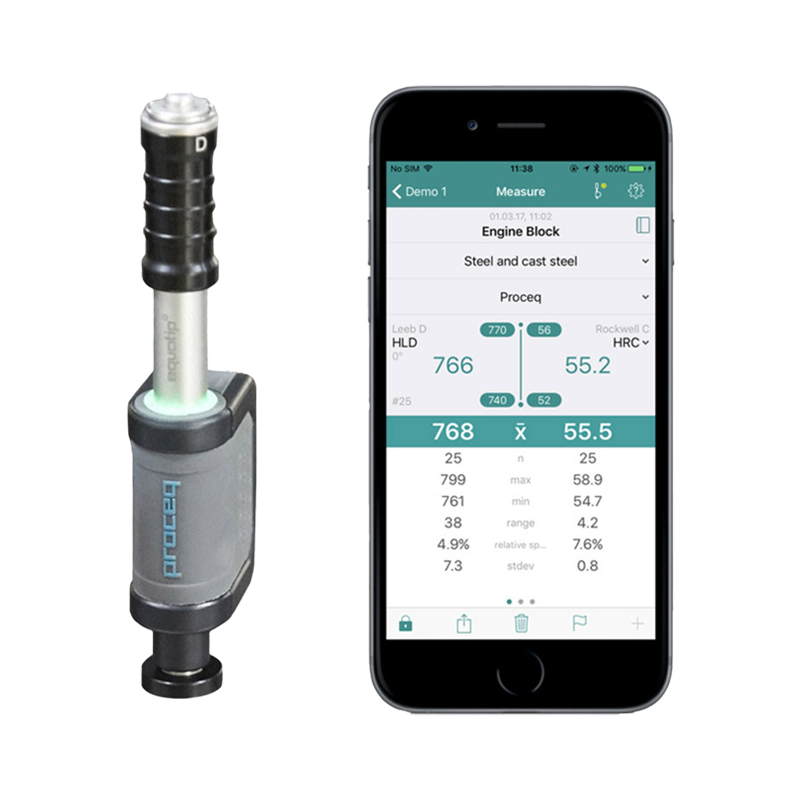
Portable hardness testers are designed for fast and convenient on-site hardness measurement, allowing users to evaluate the hardness of large components, installed equipment, or non-movable workpieces without causing damage. Ideal for production floors, warehouse inspection, maintenance, and field service applications, these testers offer simple operation, rapid testing speed, and high mobility. They provide immediate and reliable hardness results, enabling quick assessment of material quality, heat-treatment conditions, and process stability, making them essential tools for quality engineers, inspectors, and service technicians working in the field.
Product Advantages
-
High mobility and instant measurement capability:Portable hardness testers allow direct on-site testing without moving the workpiece, making them ideal for large components, installed equipment, and field inspections.
-
Multiple testing principles with flexible applications:Depending on requirements, Leeb, ultrasonic Vickers, or portable Rockwell methods can be selected to suit different materials, hardness ranges, and testing conditions.
-
Simple operation with reliable results:Fast testing speed and good repeatability provide dependable hardness data for quick quality evaluation and engineering decisions.